
Address
Cambridge, CB1 2JD
United Kingdom

Professional Editing Services
For academic research, executive careers and business documents
Consistency. Credibility. Control.
Leading AI researchers have questioned language models’ reliability, factual accuracy and the risks of handing over decisions. These limitations can matter when your professional work is under scrutiny. See what leading AI experts say →
Our structured, specialist human-led editing and proofreading services—not automated AI rewriting—include executive CV writing services, executive résumé writing services, CV editing services, dissertation editing services and thesis proofreading services. Twikz uncovers hidden contradictions, tests claims against evidence and documents critical findings—giving you Consistency. Credibility. Control.
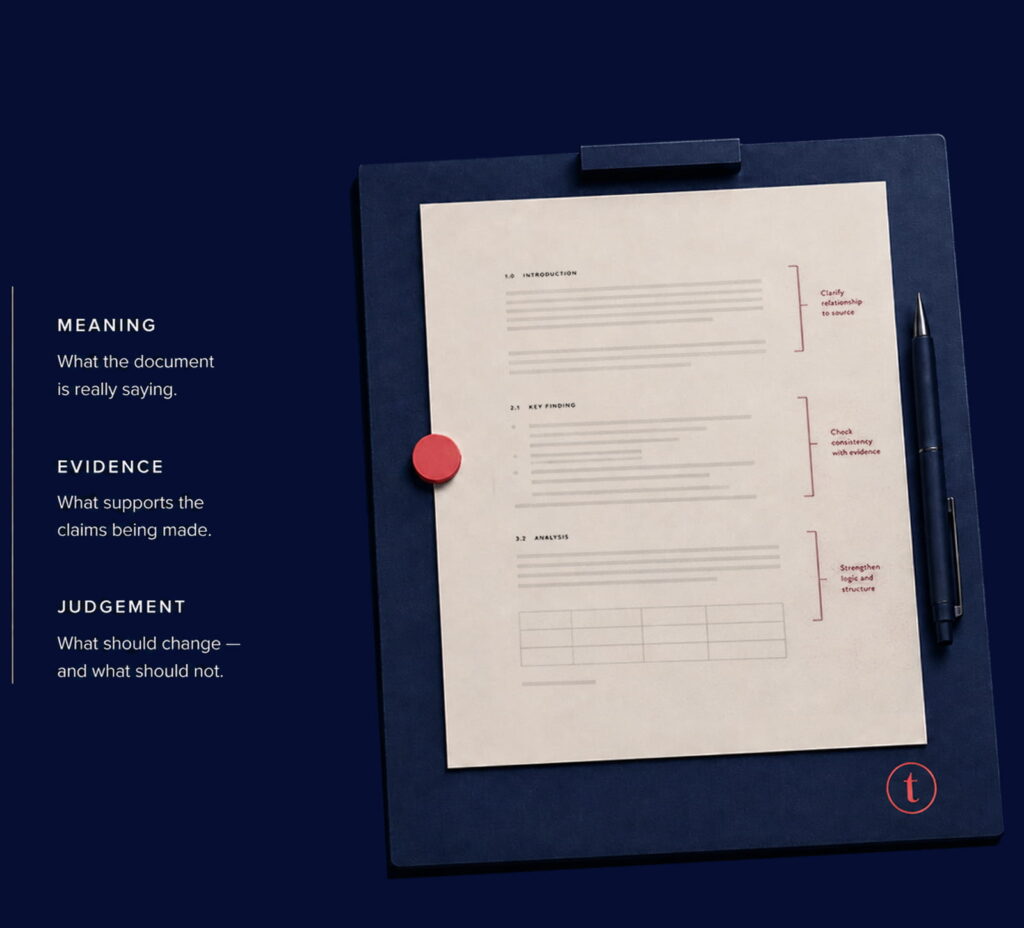
Beyond polished language.
What leading AI researchers have said about language-model limitations and human judgement.
Consistency
Yann LeCun
Fluency is not the same as understanding
“We’re biased towards attributing intelligence to things that can express themselves through language.”
12 May 2026
Credibility
Geoffrey Hinton
LLMs can produce false information
__
“…these large language models just make things up.”
—
10 January 2025
Control
Yoshua Bengio
Humans should retain authority over decisions
“If decisions are really taken by the AI, and you’re almost a passive actor in the decision making process”
3 February 2026
Four dedicated services. One rigorous editorial discipline.
Professional CV writing services, executive résumé writing services and résumé editing services from professional CV writers; thesis editing services, journal manuscript editing services and business document editing services. Comprehensive reviews examine logic and evidence before final language polishing.

PhD and master’s candidates
Your dissertation needs to work as one connected scholarly argument. Your editor examines how the research question runs through the chapters, how the evidence supports the findings and how the dissertation presents its academic contribution before refining the language.
- Three editing levels
- From £750 for 50,000 words
- Services & Free Review →
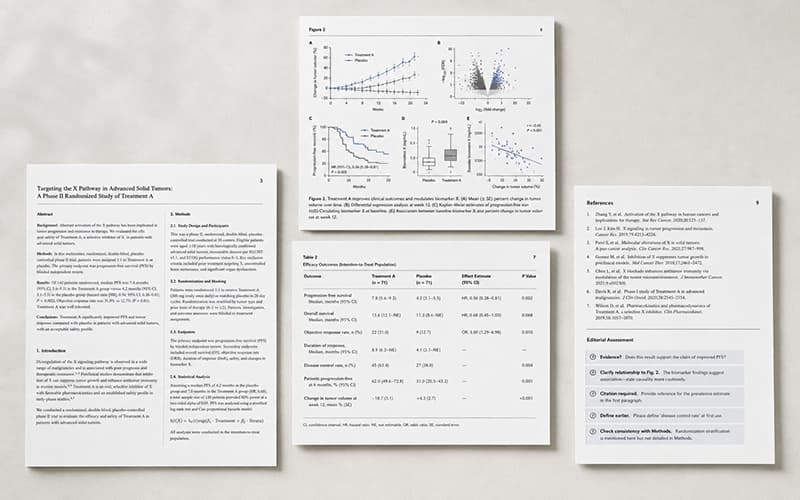
Academic researchers
Your editor aligns the structure of your paper before polishing the prose, so your manuscript communicates one coherent publication proposition across its sections, claims and interpretations.
- Claim-to-material trace
- Word-count rebalancing
- learn more →

Senior Executives
Your editor examines your level, mandate, achievements, scale and decision authority, then builds the strongest professional position the evidence can support. For a specific opportunity, your experience is mapped against the role as direct, partial or transferable evidence.
- Evidence-supported positioning
- Cross-document alignment
- learn more →
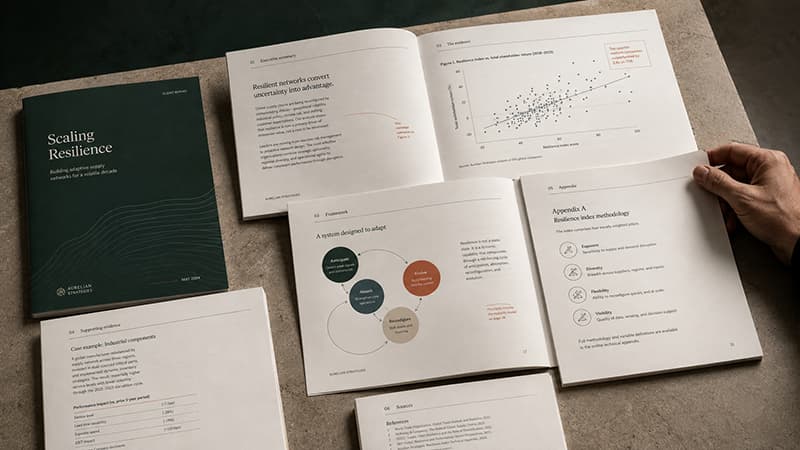
Executives and professional teams
Make sure your document works before it reaches its reader. Your editor examines the alignment of its narrative, figures, evidence and recommendations and checks their consistency across the complete document.
- Narrative-and-figure reconciliation
- Evidence-to-action alignment
- learn more →
A polished document can still fail
Your reader judges more than the wording. Twikz examines whether your argument holds together, your claims are supported by evidence and your document meets its intended purpose. Our editorial review identifies critical issues for your attention—strengthening consistency, credibility and control while preserving your voice and editorial authority.
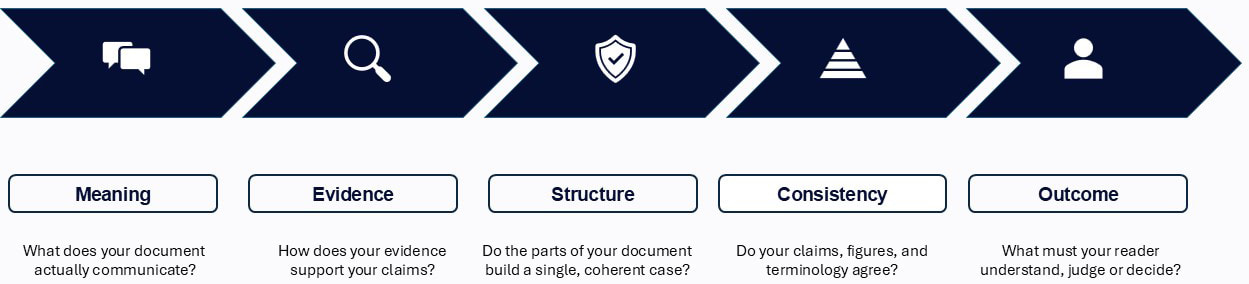
Good editing begins by understanding what the document is actually doing.
Clarity comes from aligning meaning, evidence and structure before the final language work begins.

The Twikz Method
Understand before intervening. Align before language editing.
Source-linked analysis
Twikz examines your document’s meaning, key claims and supporting evidence, with findings reviewed by a specialist human editor.
Five-stage editorial framework
Our substantive edit follows a five-stage editorial framework, known as BERRY:
Bound → Expand → Relate → Reduce & Redirect → Yield
Alignment before editing
Once the document’s logic and structure are sufficiently aligned, it proceeds to final language editing and proofreading.

How you experience the Twikz process
Simple for you. Thorough behind the scenes. Your involvement is focused where it matters.

What you receive
Tangible deliverables that make the substantive work visible and useful.
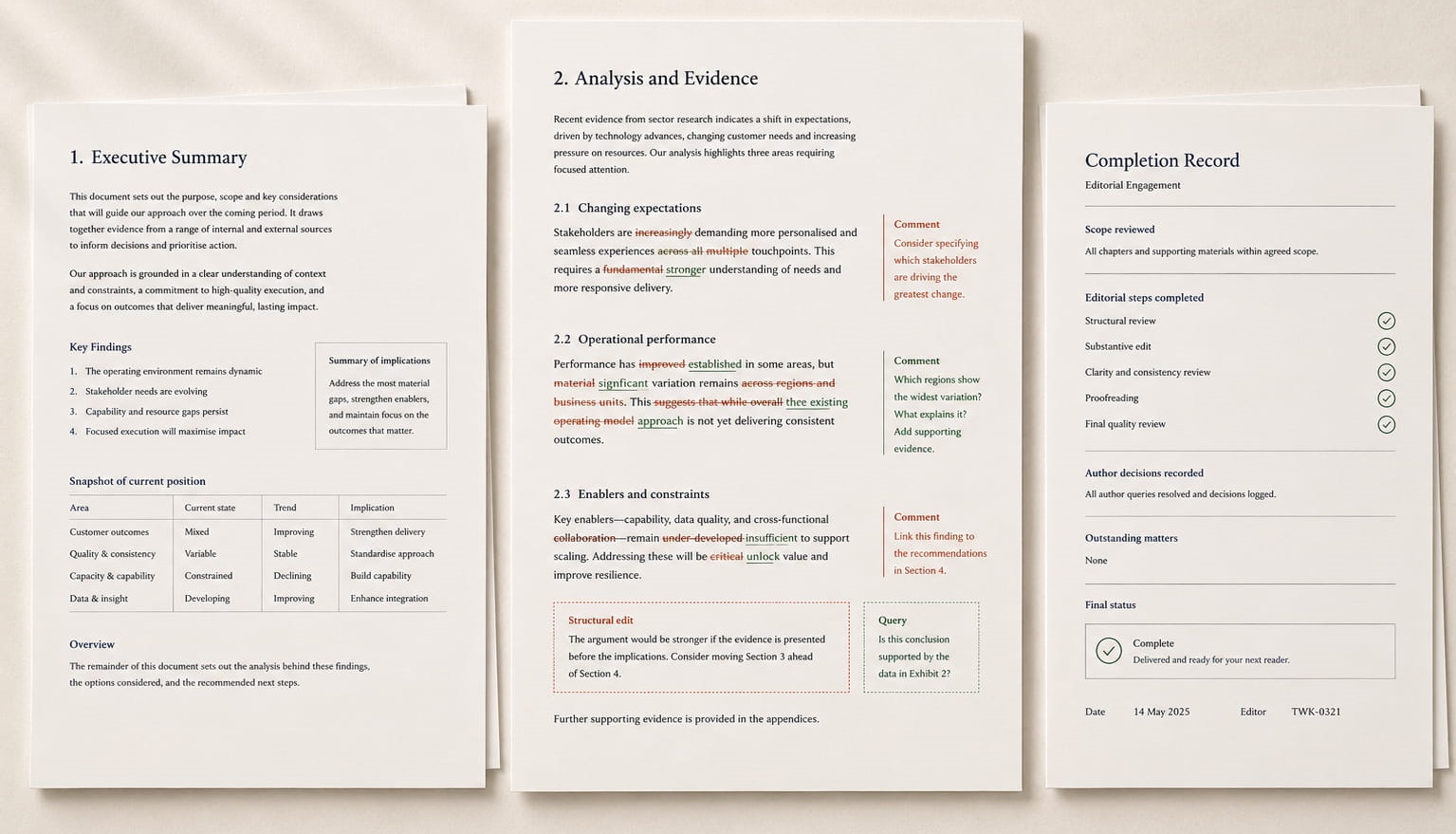
Final Working Document
A clear, coherent document that aligns argument, evidence, structure and presentation, ready for your next reader.
Visible Editorial Record
A transparent record of what was changed and why, so you can review, learn and build future confidence.
Completion Record
A concise summary of what was delivered, the boundaries observed and the final status.
250 +
Reports and Dissertations
12
Key Sectors Served
22
Countries Served
50 +
CXO-Level Clients Impacted
Trusted globally by clients at leading universities, journals, and companies






Standards of practice
Clear professional boundaries protect the authority of your work.
The Non-Authorial Boundary
No invented research, evidence, achievements, interpretations or organisational decisions.
The Honest Feasibility Test
Substantive weaknesses that cannot responsibly be resolved within scope are identified.
Compliance & Governance
The work remains within the agreed academic, professional or organisational constraints.
The next reader will judge more than the wording.
Make sure the argument, evidence, structure and presentation work together before your document reaches them.